
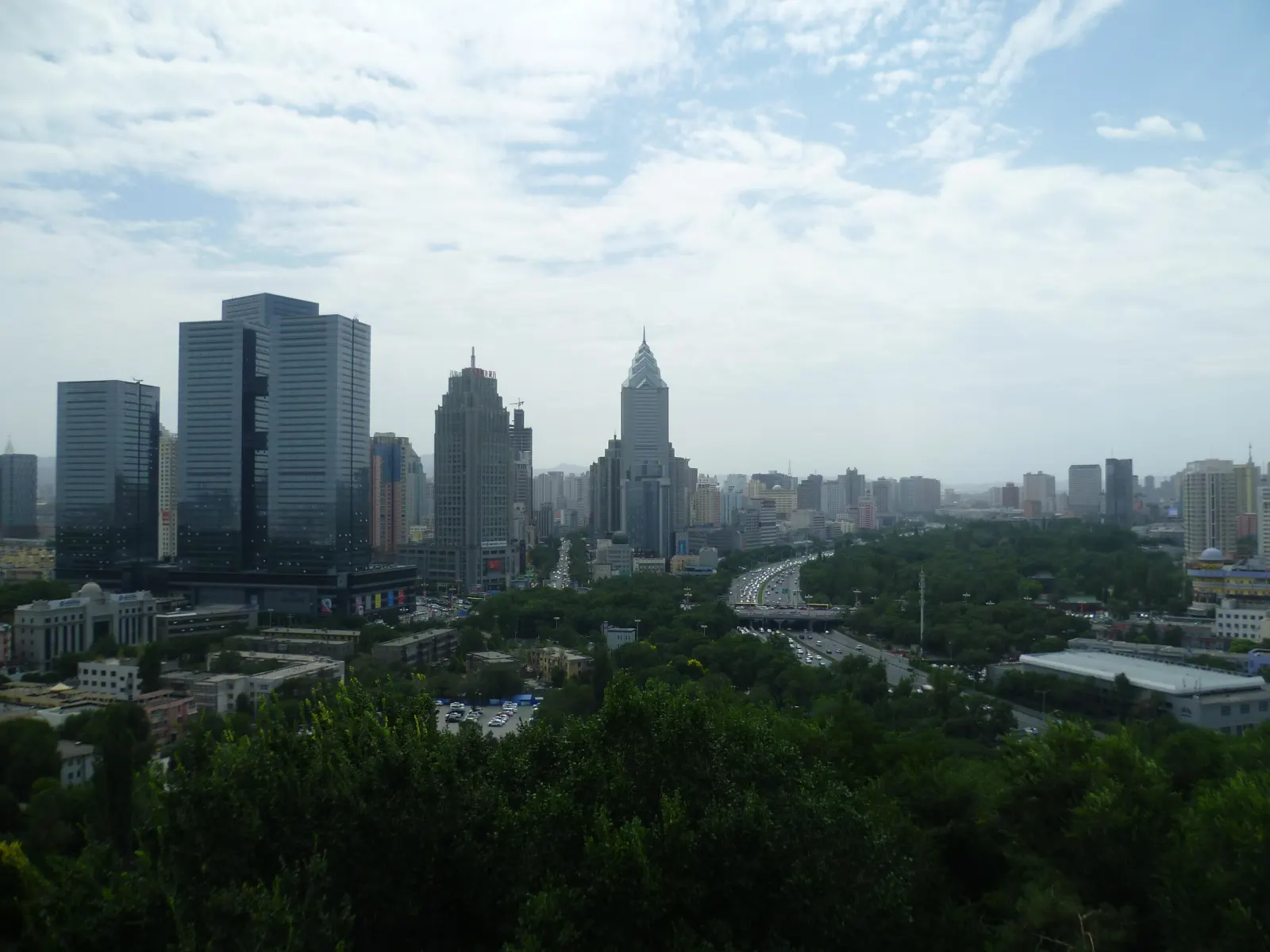
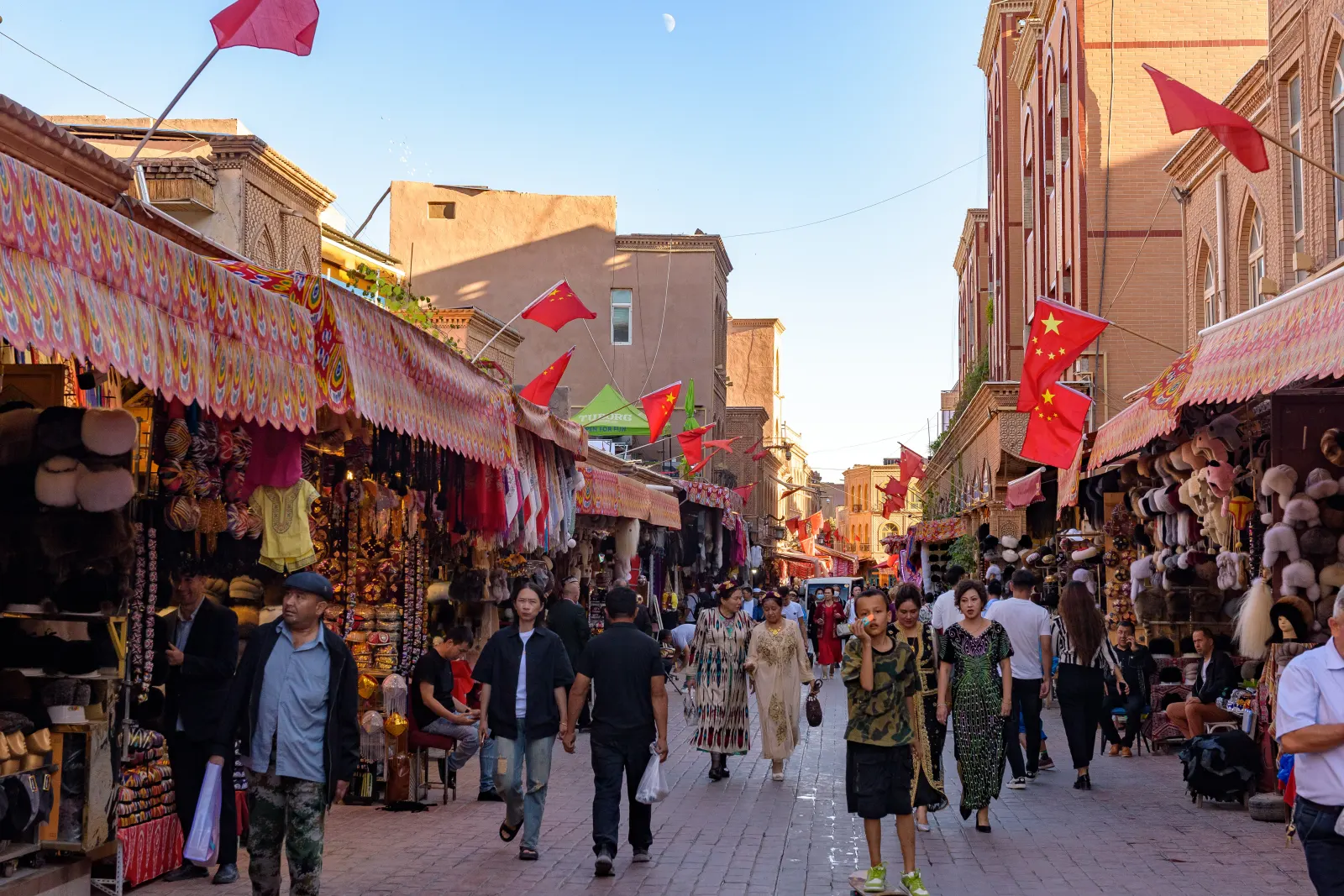
What to notice
Use the museum to test visual assumptions: compare artefacts, routes and environments rather than reducing Xinjiang to a single frontier image. In Kashgar, look at thresholds, workshops, bread ovens and shade as evidence of an organised living city.
Transport
Intercity flights and rail have different baggage, station and arrival patterns; confirm the actual carrier and terminal. Tianchi is a road day, while Kashgar old-city walking is compact but slow. Weather and road controls can reorder everything.
Estimated cost
Planning range: RMB 1,800–3,600 per person before hotel and flights. Separate intercity ticket, road transfer, guide, admissions, meals and contingency for weather or schedule changes. Do not treat a quoted flight or car price as fixed until confirmed.
Food
Try naan, hand-pulled noodles and seasonal fruit with a guide who can explain local ordering and dietary boundaries. In markets, ask before photographing or sampling. Keep water and a simple backup meal available on long road days.
Where to stay
A stable Urumqi base and a walkable Kashgar old-city hotel reduce luggage friction. Verify late arrival procedures and vehicle access because historic lanes may limit where a car can stop.
Cultural context
The region’s history is shaped by oasis settlement, trade, languages, faiths, craft and changing transport corridors. A responsible route keeps those layers specific and avoids turning ethnic or religious difference into a decorative stereotype.
Local etiquette
Ask before photographing people, shops, homes or worship. Dress and behave respectfully in religious areas, follow local instructions and do not enter closed lanes or private courtyards for content.
Accessibility
Long transfers, dry climate, stairs and uneven old-city surfaces can accumulate fatigue. Discuss mobility and hydration needs early, keep luggage light and choose a compact old-city loop when necessary.
Alternative route
If a mountain or intercity segment is disrupted, keep the museum, market and old-city interpretation core and remove the furthest optional extension first. Never trade a safe transfer for an extra viewpoint.
Field note
The route is not about collecting a distant frontier image. It is about seeing how a museum, an oasis, a bakery, a workshop and a prayer boundary make distance feel lived and navigable.
Before you go
Border/road controls, weather, carrier schedules, site access, local photography rules and market operations are date-specific. Times and prices are estimates; current authorities, operators and confirmed tickets prevail.
In brief
Use the museum to establish context, protect the intercity move, walk Kashgar with consent and keep mountain extensions optional. The farther the route reaches, the more valuable an honest buffer becomes.